Table Of Content
Side cornrows are one of the most popular ways to style the look right now. Try switching up the trend by adding a bold color link bright pink. Use your cornrows to create unique patterns like this fishbone one. Braid your hair the night before to save time getting ready in the morning. Many celebrities have worn cornrows recently, which has sparked lots of commentary and discussions about this style in mainstream media.
Chinese woman rips out a patch of her hair during 'corn drill challenge' - The Advocate
Chinese woman rips out a patch of her hair during 'corn drill challenge'.
Posted: Tue, 10 May 2016 07:00:00 GMT [source]
Vitamins
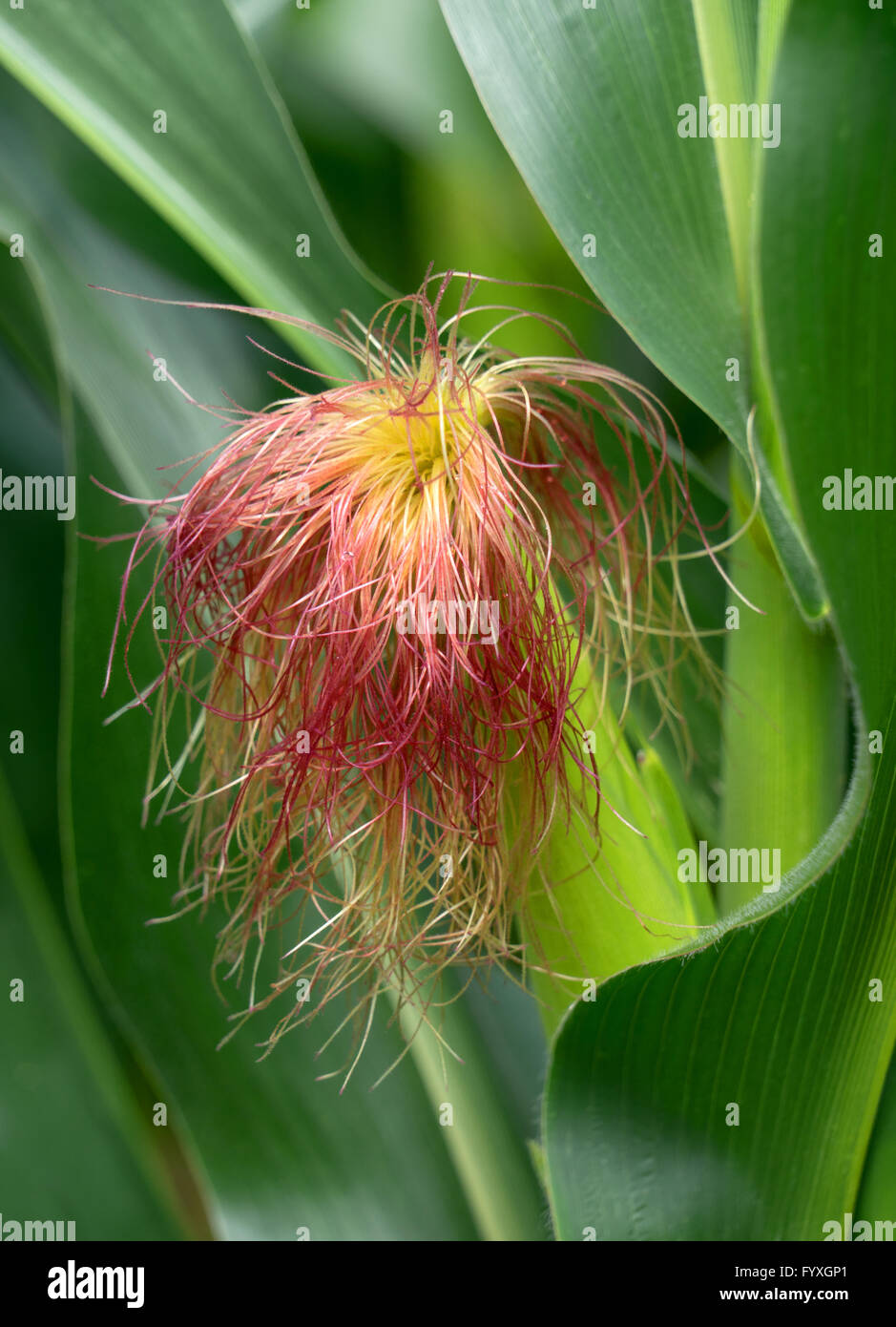
The flowers of corn are monoecious in which the male and female flowers are located in different inflorescences on the same stalk [24]. The male flowers (tassel) at the top of the plant produce yellow pollen. Meanwhile, the female flowers produce CS and are situated in the leaf axils. The silks are elongated stigmas which look like a tuft of hairs. The colors of the CS, at first are usually light green and later turn into red, yellow or light brown. The function of CS is to trap the pollen for pollination.
Middle Cornrow Braided Ponytail
However, remember that its use will not treat kidney stones that are already present. Corn hair has been used since ancient times to prevent kidney stones from occurring. Products based on corn hair have a soothing, restorative, choleretic, diuretic effect, crush and remove stones from any location. RxList does not provide medical advice, diagnosis or treatment.

Potential Health Benefits of Corn Silk Tea
Taking corn silk along with some medications for inflammation might decrease potassium in the body too much. The tea made with it can be applied topically to deal with skin problems like boils and rashes. It can also help alleviate itching and pain caused by skin wounds. This herbal medicine also shows anti-aging benefits, as it has antioxidants (9). It contains vitamin K that helps in the blood clotting process. Vitamin K may help produce thrombin (an enzyme) that plays a key role in the formation of blood clots (4).
Because of this, the heart will not be able to pump enough blood to various body parts. This leads to weakened kidneys and fluid storage in the knees and lungs. Usually several grains of pollen adhere, but only one will successfully participate in fertilization of the ovule to form a corn kernel. There’s evidence from studies conducted on mice to support corn silk’s benefits for weight loss, but human trials are needed. If you’re like most people, you toss corn silk straight into the compost bin or trash.
The diuretic property of corn silk helps flush out excess water and waste from the body, thereby reducing complications related to water retention (3). The latest studies have revealed the potential use of CS extracts as an important bioactive source of natural antioxidants. Five CS fractions; ethanol extract (EF), petroleum ether fraction (PF), acetic ether fraction (AF), n-butanol fraction (BF), and water fraction (WF) were investigated in in vitro antioxidant models [2]. In the study, BF fraction (100 µg/mL) showed the highest total phenolic (164.1 µg GAE/g DCS) and total flavonoids content (69.4 µg RE/g DCS). These antioxidant values were comparable with vitamin C (positive control) and ethylenediaminetetraacetic acid (EDTA). Corn silk extracts are part of Native American and traditional Chinese medicine for diabetes management.
Corn drill challenge victim 'proves' hair loss was completely real - Daily Mail
Corn drill challenge victim 'proves' hair loss was completely real.
Posted: Wed, 12 Sep 2018 10:20:00 GMT [source]
Corn Silk
Corn silk is the long, fibrous strands that grow out of the top of the corn cob. It is often used as a herbal remedy for various health conditions. However, corn silk can also cause side effects in some people. Additionally, animal studies indicate that corn silk may exhibit anti-fatigue activity, which may help build stamina and endurance (2). Also, it may have a lowering effect on intraocular pressure and blood pressure levels in people with hypertension (13).
How to Use Corn Silk for Hair Growth: An Ancient Chinese Secret
The hair on a corn cob is also known as silk, as it has the same soft, silky feeling. By the time your corn gets to the table as a delicious buttery side to your meal, the silk would have been removed. It is, however, a vital part of the growing cycle of corn. Adding embellishments, such as beads, threads or woven-in ribbons, are a nifty way to jazz up cornrows for women. These tiny accessories pack quite a cute punch and give a bit of an indie, boho feel to the look.
As it falls, the hair, also known as silks on the top of the female cobs catch the pollen. Similar to unicorn braids, this cornrows style uses just the front section of your hair to create three tighter braids. Teamed with a high bun, cornrows for women look exceptionally fashionable. Leave a few tendrils loose at the side to soften the look, and slick down your edges with some hairspray. I’ve grown just two rows of corn and gotten decent pollination — the ears were acceptably full. And I once also tried just a single clump of three corn plants.
People using medications for diabetes, high blood pressure, inflammation and blood clots should speak to a doctor before using corn silk. It shouldn’t be used therapeutically with diuretics, either. Healthcare providers don’t know much yet about the risks of consuming corn silk or products like teas and supplements. Check with your healthcare provider before taking a corn silk supplement, as there currently isn’t a recommended dosage. Dosage amounts typically vary depending on a person’s sex, age, weight, medications and health issues.
So far, scientists haven’t been able to definitively prove such claims. In one study, administration of flavonoids from corn silk extract resulted in significantly lowers levels of triglycerides and LDL cholesterol. There was no difference in HDL cholesterol levels, but the data shows that the silks may have potential anti-hyperlipidemic effects. Animal studies show that corn silks have anti-inflammatory effects and can be used to suppress pro-inflammatory mediators. Researchers believe that the silks may be useful for the treatment of inflammatory diseases related to oxidative stress.
Although corn silk is routinely used in herbal medicine, studies on it are limited. Avoid drinking corn hair tea right before you go to sleep. Depending on the type of hybrid corn you are planting, you may find that your corn silk turns a bright red.
Corn silk extract can act as a powerful diuretic, making you pee more. “Increased urine flow can prevent the buildup of bacteria that leads to urinary tract infections (UTIs) and bladder infections,” says Campbell. And if you do get a UTI or bladder infection, corn silk extract soothes inflammation to ease pain. Despite centuries of herbal remedy use, there are limited studies on the health benefits of corn silk. Much of the existing research took place on animals and not humans.
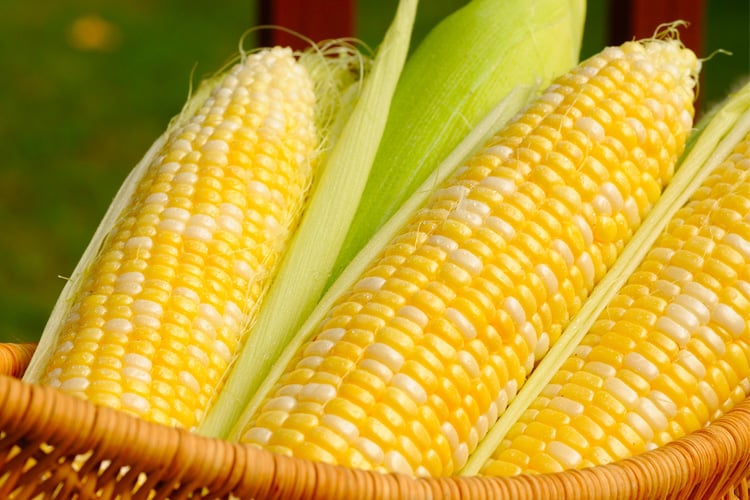
Corn silk is used for bladder infections, inflammation of the urinary system, inflammation of the prostate, kidney stones, and bedwetting. It is also used to treat congestive heart failure, diabetes, high blood pressure, fatigue, and high cholesterol levels. The extract possessed a good anti-depressant activity and reduced the immobility period during the FST and TST assays. Extract concentration of 1,500 mg/kg showed similar activity as the positive standard imipramine (10 mg/kg) with immobility duration of 57.6 seconds in FST. However, there is no mortality observed up to 4,000 mg/kg dosage and this finding showed that the CS extract can be an important natural anti-depressant.
They can consume corn hair tea to reduce high blood pressure. Corn hair works as an anti-inflammatory agent for urinary tract infections. It basically lines the lining of the urinary tract and thwarts irritations. Intendata (200 µg/mL) had the highest AChE inhibition (96.69%), while at the same concentration EtOAc extract of var.
Next, section off your hair to create a vertical row from front to back of your head. Since you're coming toward the end of the braid, there will be no extra hair to have to incorporate into the braid at this point. It can get confusing to visualize where each section of hair should be, but Placide has a tip. "Use your thumb, index, and middle finger to separate the sections. Each finger will create a left section of hair, a middle section of hair, and a right section of hair," she says.



No comments:
Post a Comment